Life changed, and your relationship changed with it.
Maybe it was a diagnosis, a heart scare, or pain that won’t go away. Chronic illness and relationships can be a hard mix, even for couples who love each other deeply.
One of you becomes the one who’s unwell. The other becomes the one who drives to appointments, sorts out the medication and lies awake worrying in the dark.
Somewhere in there, the two of you can start to feel more like patient and nurse than partners. It happens to loving couples all the time, often without either of you noticing until you feel far apart.
If that’s where you are, there are ways back to each other.
What illness does to a couple
Illness brings a lot of loss.
There’s the loss of health, of course. There’s also the loss of plans and of the life you thought you’d have, and sometimes of work or independence.
You both grieve, often in different ways and at different times. One of you might want to talk about it while the other wants to keep busy and stay positive. That difference can feel like distance, even when you’re both doing your best.
Your roles can shift almost overnight. The one who used to do the garden or the driving may not be able to any more, and the other partner picks it all up. Those changes can be hard to talk about, because nobody chose them.
Fear plays a part too, about what comes next and whether you’ll cope. A lot of couples protect each other by keeping these fears to themselves.
Does that sound familiar?
I’m not a doctor, and this isn’t medical advice. Please talk to your GP about anything to do with your health or treatment.
When one partner becomes the carer
Caring for someone you love is an act of love.
It can also be exhausting. Many carers feel tired and isolated, and then guilty for feeling tired at all. Some feel resentful, and then ashamed of the resentment.
The partner who’s unwell often struggles in a different way. They might feel like a burden, or miss being the strong one, or feel they’ve lost their place in the relationship. Some go silent about how bad things are so they don’t add to their partner’s load.
What I see with couples in this situation is that both partners are trying very hard to protect each other, and both end up lonely.
That’s why it helps to say these things out loud, even the uncomfortable ones.
The carer might say, “I love you, and some days I’m really tired.” The partner who’s unwell might say, “I hate that you have to do so much for me. I miss being the one who looks after you sometimes.” Hearing each other say this can bring a lot of relief.
Try this: once a week, ask each other “What’s been hardest for you this week?” and just listen. The carer gets to be heard too, and the partner who’s unwell gets to give something back.
How to stay lovers as well as carer and patient
You’re still a couple.
When illness takes over, everything can become about symptoms and appointments. Those conversations are necessary. If they’re the only ones you have, though, you can lose sight of each other.
You know what I mean, right?
A few things help:
- Have time that isn’t about the illness. A film, a drive, a coffee in the sun, with health off the agenda.
- Get outside help with care where you can. If someone else takes on some of the practical care, the carer gets to be a partner again for part of the day.
- Keep touching. Hold hands, have long hugs, rub each other’s feet. Touch that’s about affection, rather than care.
- Keep making decisions together. The partner who’s unwell still gets a say in the household, the money and the plans.
- Remember who you were. Look at old photos, and talk about trips you loved and the early days.
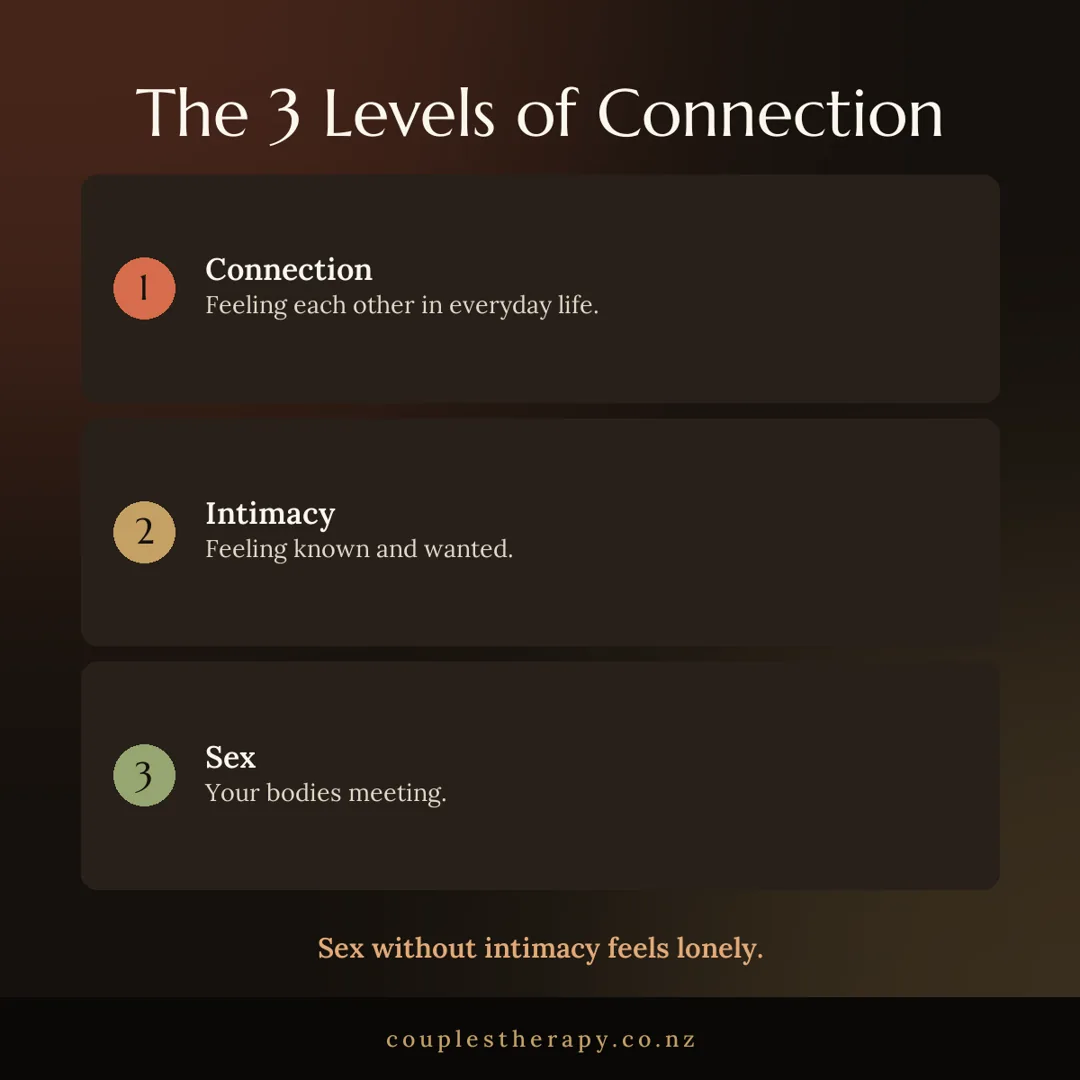
These habits that keep intimacy alive can be adapted to most situations.
Sex and intimacy when one of you is ill
Illness often changes sex.
Pain, tiredness, medication, surgery and low mood can all affect desire and what your body can do. Many couples stop having sex and never talk about why. One partner might hold back, afraid of causing pain, while the other ends up feeling unwanted.
It helps to widen what intimacy means. Lying skin to skin, slow touch, massage, kissing and pleasure without any goal can all keep you close as lovers. Some couples find a new kind of closeness they never had before.
Planning helps too. Choose a time of day when energy is better, use pillows for comfort, and agree that either of you can stop at any point without it being a big deal.
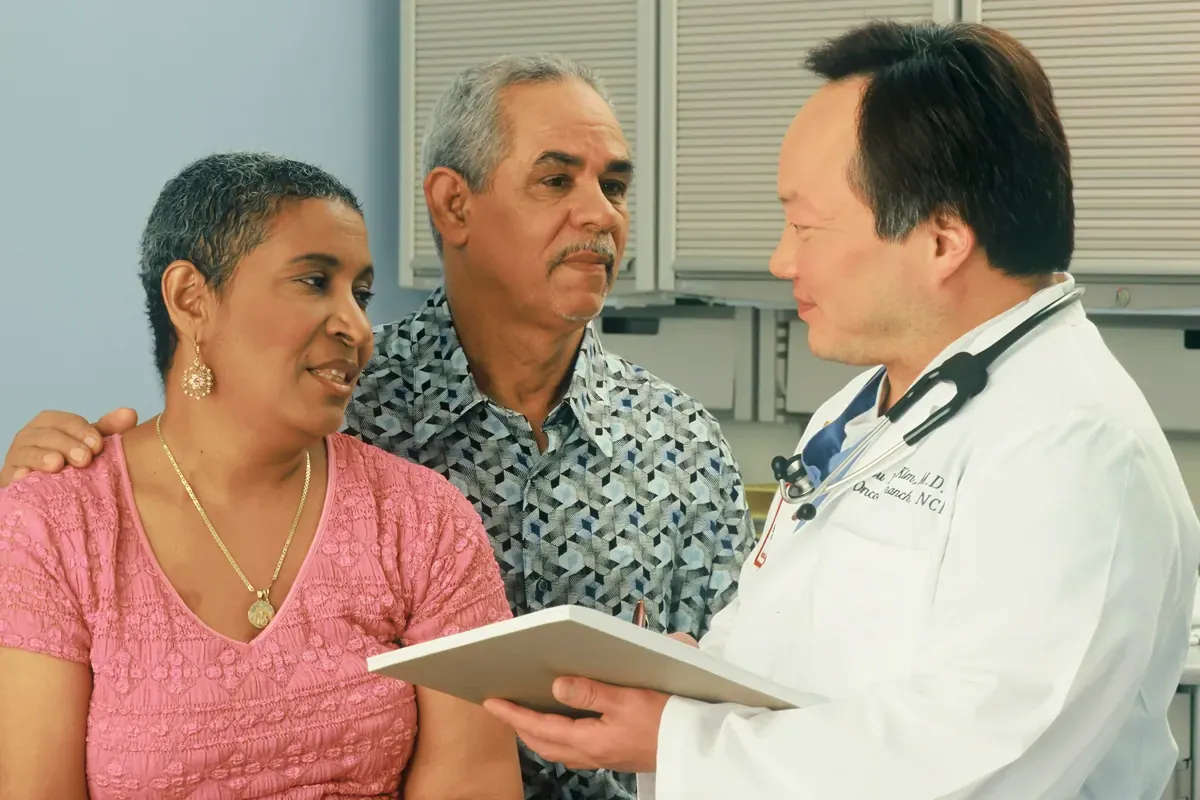
If physical changes are getting in the way, talk to your GP or specialist. Many of these issues are common, and there’s often help available.
You might also like these somatic couples exercises, many of which work well when energy is low.
Looking after the carer too
Carers need care.
If you’re the one caring, you might feel your own needs have to wait. Running on empty for months isn’t good for you or for the relationship. You’re allowed to rest, see friends and have things that are just yours.
It can help to have your own support, whether that’s a friend, a support group or a counsellor. Being kind to yourself when you’re struggling helps too, and I’ve written about self-compassion when your relationship is challenging.
If you ever feel overwhelmed or very low, you can call or text 1737 at any time to talk with a trained counsellor.
Getting support with chronic illness and your relationship
You don’t have to work this out on your own.
Couples therapy gives you both a place to say what feels too hard to say at home, like the fear and the grief and the longing for how things were. In Emotionally Focused Therapy, we focus on helping you reach for each other again, so you can face what’s happening as a team. With support, many couples find they can stay close through illness.
Want support with this in your own relationship? Start with a free discovery call and we’ll talk about what would help the two of you most.