
Some couples walk into therapy after years of loneliness.
Neither of them has said it out loud. Others arrive after a betrayal or relentless conflict, or with the dawning grief that they’ve become efficient housemates instead of lovers.
When people ask me, why does couples therapy fail, they’re usually asking something personal. Are we too far gone, or are we just doing the wrong kind of work? Couples therapy doesn’t only fail when the relationship is doomed.
More often, it fails because the process is too shallow for the depth of the problem, or too much in the head for the amount of hurt in the room.
Sometimes it’s too polite to touch the things that shape intimacy: attachment, desire, resentment, embodiment and power.
Why does couples therapy fail for some couples?
The first reason is simple and confronting.
Many couples come into therapy hoping for relief, when what the relationship needs is a deeper change.
They want the fighting to stop, the tension to settle and the home to feel calmer.
Fair enough.
But if the relationship has been drifting for years, peace alone won’t bring back the aliveness.
You end up with a calmer home that still feels dead.
This is where conventional models can fall short.
If therapy focuses only on communication tips, weekly check ins or conflict management, it may help a couple become more civil without becoming more connected.
They learn to speak more cleanly, but they still don’t feel chosen. They stop interrupting, but they still don’t touch.
They can explain their patterns beautifully and still be emotionally and erotically disconnected.
For long term couples, technique is rarely the whole problem.
The disconnection shows up in their bodies, in the bedroom and in the story they tell themselves about who they are now.
Insight without change isn’t enough
Many intelligent couples get stuck here. They understand everything.
They can name the pursue withdraw cycle, identify childhood wounds, and tell you exactly what happens before every argument.
Insight is important, but insight alone doesn’t repair anything.
If therapy becomes a place where you analyse the relationship and never experience a new one, progress stalls.
Change takes more than talking.
It asks for emotional risk, felt safety and accountability, and often a different pace and intensity than one hour a week can offer.
A couple can spend months learning to describe their problems and still not change them.
The wrong goal can sabotage the work
Some couples come to therapy wanting to prove they’re right. Others want the therapist to translate their pain so their partner will finally get it.
And some arrive after one person has emotionally left and is using therapy as a final attempt to say, we tried.
All of this is very human, and none of it makes them bad people.
But therapy struggles when the actual agenda stays hidden.
If one partner wants reunion and the other wants validation for leaving, they’re working towards two different things. If one wants deeper intimacy and the other only wants fewer complaints, the work becomes lopsided.
Therapy needs honesty about desire, and I mean relational desire as well as sexual desire.
Do we both still want to build something here?
It takes courage to answer that question truthfully. Without an answer, sessions can go round in circles.
Timing is more important than most couples realise
Therapy often starts too late.
Late doesn’t mean hopeless, but old hurts get harder to shift.
Years of contempt, sexual rejection, emotional neglect or betrayal create protective strategies that feel normal by the time a couple seeks help.
By then, one partner may be exhausted from carrying the emotional load, while the other is only just waking up to how serious things are.
That mismatch is brutal.
The distressed partner thinks, finally. The other thinks, this can be fixed. Both are sincere, but they’re at very different stages.
This is one reason change can feel frustratingly slow.
You’re solving more than this week’s argument.
You’re working against years of experience that told you closeness is unsafe, pointless or humiliating.
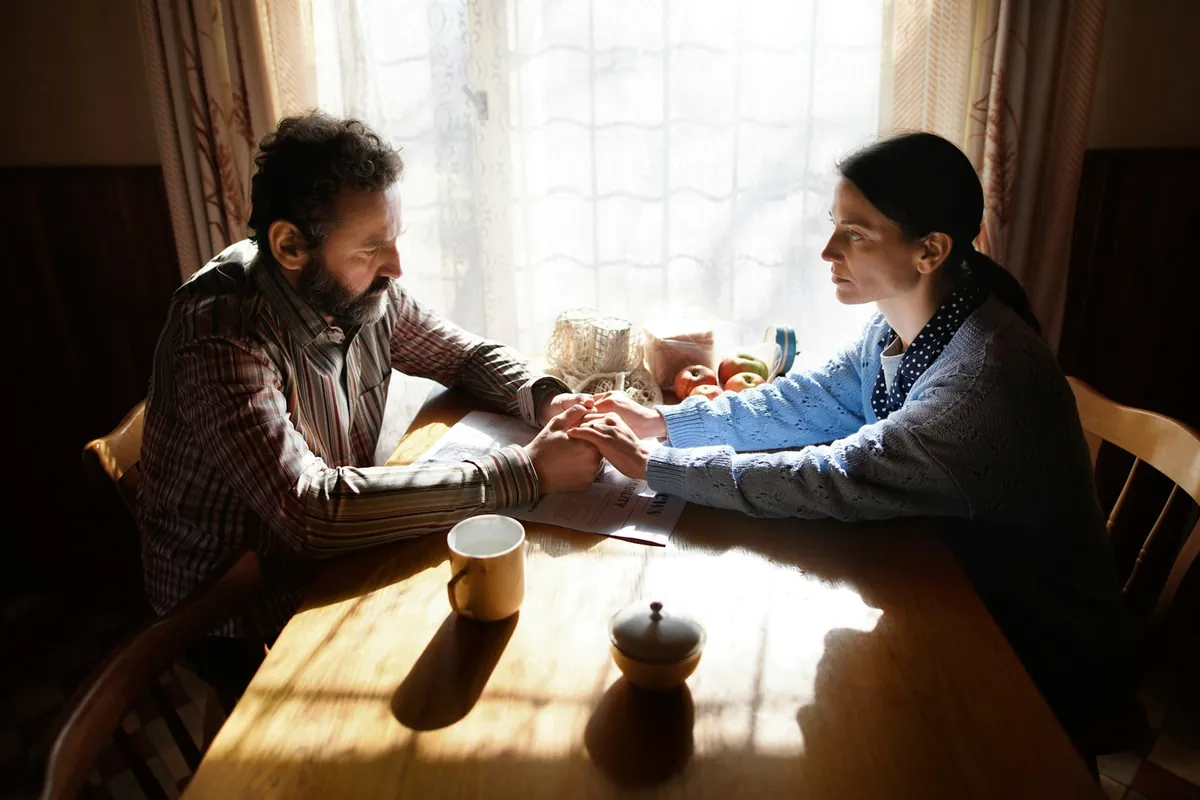
Why some therapy misses the heart of the issue
A surprising number of couples who are struggling still love each other. What’s failing is their model of intimacy, which has become too narrow.
They treat the relationship like a management system of logistics, parenting, finances and schedules, and expect desire to somehow survive on what’s left over.
Then they come into therapy and keep discussing the management system.
Emotional attachment is absolutely important, and so is communication.
But for many long term couples there’s another layer that has to be addressed directly, and that’s their sexual connection.
If the sexual relationship has become avoidant, obligatory, transactional or absent, you can’t always talk your way back into attraction.
You can’t organise your way back to desire.
This is where a purely verbal approach can miss the mark.
The body remembers rejection, pressure and shame. It remembers the anxiety of having to get sex right, and the years of going numb.
A couple may be emotionally fond of each other and sexually disconnected.
Unless the therapy has the skill to work with both the emotional bond and the sexual one, the biggest problem stays untouched.
Couples therapy can fail when it ignores embodiment
Better sentences alone don’t build intimacy.
It’s built through tone, breath, eye contact, touch and play.
It needs a settled nervous system, and the capacity to stay open and present when you want to shut down.
If a couple has learned to live in their heads, they can function very well and still not feel each other.
They know how to coparent, host dinners, pay the mortgage and keep everything running.
But they don’t know how to come back into contact with their longing, tenderness, grief, hunger or pleasure.
In my experience, that’s often the main issue.
The strongest work with couples goes beyond interpreting their bond and helps them feel it again.
The therapist fit is more important than people think
Not every therapist is equipped for every couple.
- Some are excellent at reducing conflict but less skilled with trauma.
- Some understand attachment deeply but avoid sexuality.
- Some are compassionate but too passive, and they let the same old pattern repeat week after week.
For couples in serious distress, the fit with your therapist is important. It affects whether the sessions feel direct enough and safe enough to change old patterns.
A good couple therapist does more than stay neutral.
They’re attuned and structured, and they’re willing to confront what’s actually happening.
They know when to slow things down, when to challenge avoidance, and when the relationship needs more than conversation.
They can be tender and truthful at the same time.
If therapy feels vague, repetitive, or strangely disconnected from what’s at stake in your relationship, pay attention to that.

What helps couples therapy work better?
The couples who create meaningful change usually do a few things differently.
They stop treating therapy like an intellectual exercise. They get honest about what they want, what they fear and what they’ve been avoiding.
They accept that they can’t return to some idealised earlier version of the relationship.
The goal is to build a more mature, more conscious love than they’ve had before.
They also choose methods that match the problem.
- If the issue is attachment injury, the work needs emotional depth.
- If the issue is erotic shutdown, the work must include sexuality.
- If the issue is years of numbness and defensive distance, the body has to be part of the process.
Sometimes weekly therapy is enough.
Sometimes a more immersive container is needed, because the relationship can’t be rebuilt in fifty minute fragments.
This is why intensive and experiential work can be so powerful.
You get more done in less time, and you get more honest with each other. It also gives couples a chance to interrupt old patterns as they happen, where weekly sessions often have them discussing those patterns after the fact.
At Couples Therapy & Retreats, this is part of our philosophy. We work on what’s broken, and we also work on what’s possible.
Failure isn’t always failure
There’s one more thing I want to say plainly.
Sometimes therapy doesn’t save the relationship, and it still succeeds.
It succeeds when:
- It shows that one or both people are no longer willing to do the work of intimacy.
- It ends years of confusion.
- It helps a couple separate honestly, so they don’t go on living with unspoken resentment and emotional starvation.
But many couples call therapy a failure when what failed was the approach.
There was too little depth, too little of the body and too little honesty. There was too much delay, and too much focus on managing symptoms when the bond itself needed to change.
If your relationship still holds love and willingness, and even a flicker of desire beneath the disappointment, don’t take therapy that didn’t work as the final word on your relationship.
The deepest love may well be ahead of you, if you’re willing to go deeper than you have before.
Want support with this in your own relationship? Find out about couples therapy with Tarisha, a private retreat for two, or our retreats for couples: the Valentine’s Retreat and The Wanaka Adventure. Or start with a free discovery call.