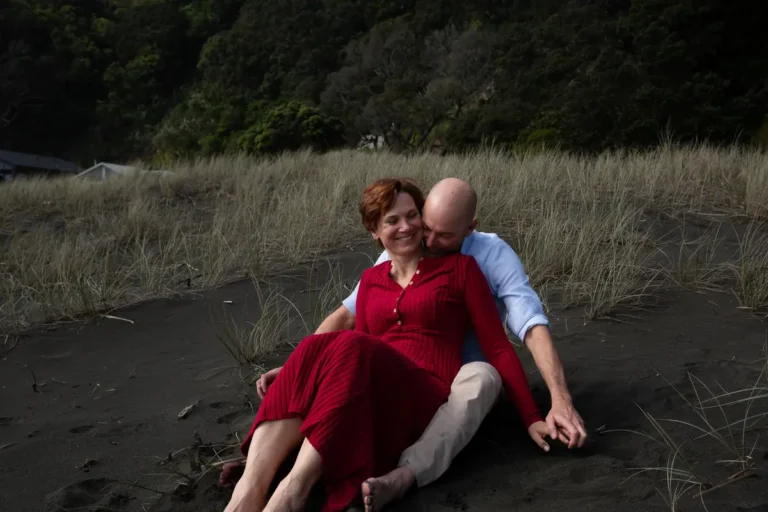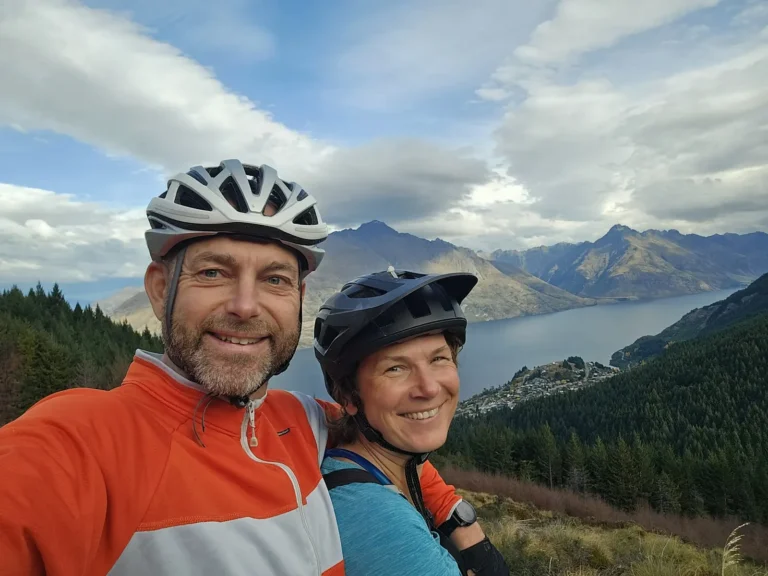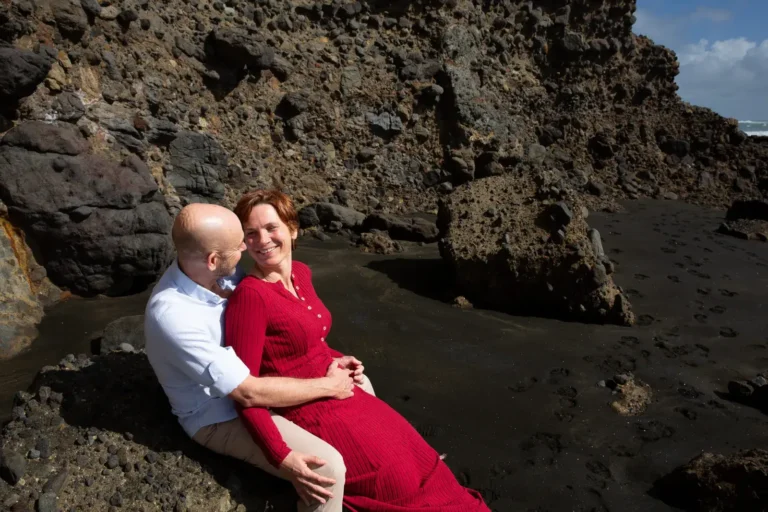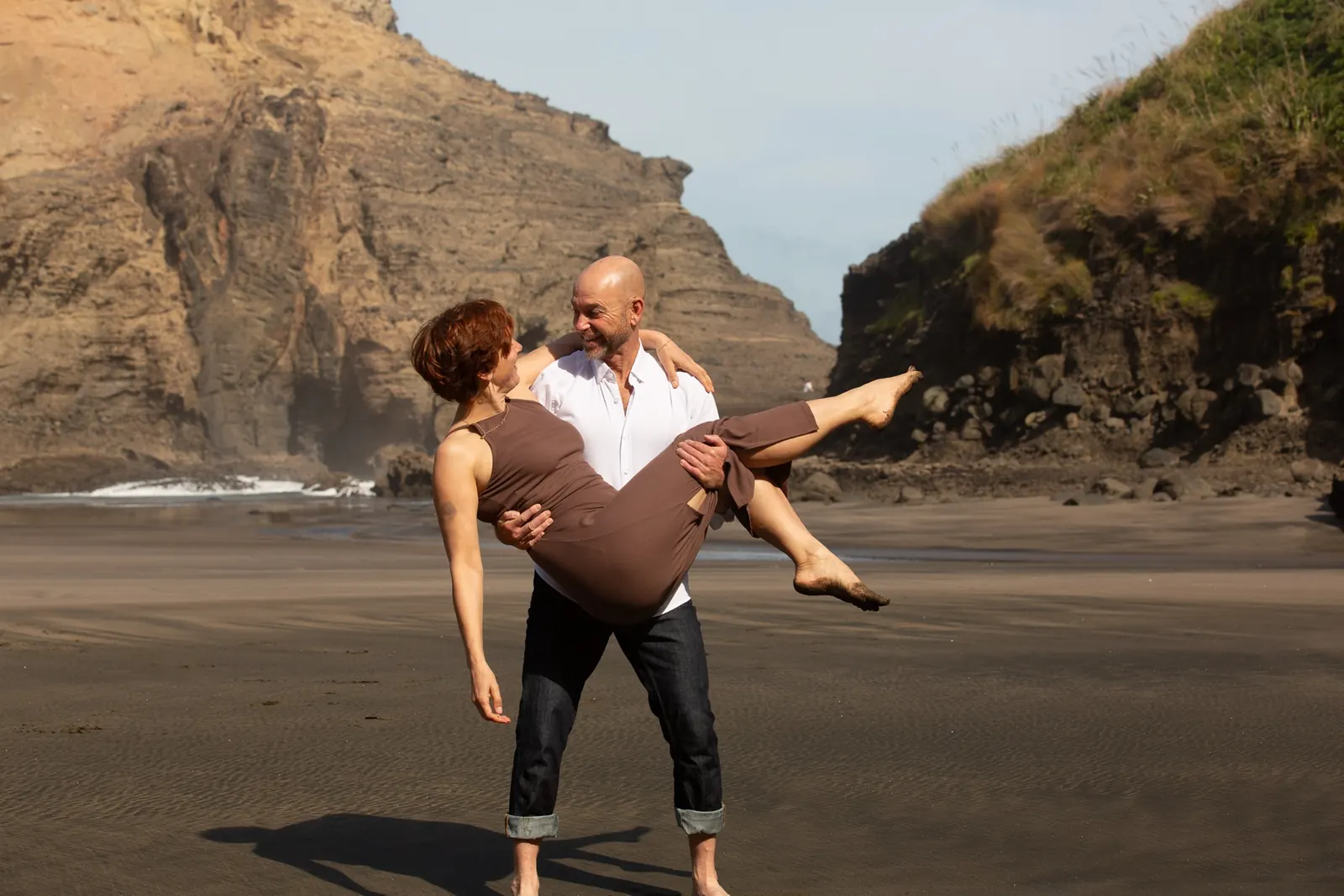
When did the two of you last feel close?
And not only on holiday?
The best retreats for disconnected couples give you much more than a beautiful place to escape the routines that flattened your relationship. They create the conditions for you to finally face what has been building between you.
That might be resentment, loneliness or brittle conflict. It might be sex that has become absent, obligatory or strangely impersonal.
I think a couples retreat should give you a proper break from everyday life.
For a few days you put down the roles of parent, provider, organiser and problem solver, so the two of you can meet again as lovers.
Stop looking for a holiday with a couples workshop attached
A beachside villa can be glorious.
So can a long weekend in the bush, a boutique hotel in the hinterland or a remote lodge where the mobile reception disappears.
Location alone won’t reconnect you, though.
Many couples arrive after years of trying to fix their relationship through logistics.
They schedule date night. They take a holiday.
They promise to communicate better in the middle of an argument at 11.30 pm, when both are exhausted and somebody has already said, “Fine, whatever.”
The scenery changes, and the same pattern comes home with them.
Does this sound familiar?
A retreat worth choosing has a clear purpose.
It helps you understand the pattern that pulls you apart, and it lets you experience a different way of relating while you’re there.
You leave with practices you can keep using at home on an ordinary Tuesday morning.
For some couples, a soft wellness retreat offers the reset they need. For others, especially those caught in chronic disconnection or sexual shutdown, it can be too vague.
You may need skilled therapeutic guidance.
Another invitation to gaze into each other’s eyes for three minutes, while you wonder whether either of you remembered to feed the dog, won’t do it.
What the best retreats for disconnected couples actually offer
The strongest retreats work across more than one layer of intimacy.
Your emotional closeness, your erotic charge, your trust, your conflict and your bodies all affect one another constantly.
You can’t work on one and ignore the others.
A partner who feels criticised may stop reaching for affection. A partner who feels sexually rejected may become defensive or shut down.
A couple who avoids conflict may look peaceful, while their desire fades because they’ve stopped being honest with each other.
A scented candle won’t fix that.
Look for an experience that brings these three elements together.
Emotional repair that reaches beneath the argument
Emotionally Focused Therapy (EFT) helps couples see the painful pattern underneath their recurring fights. One person pursues, protests or criticises because they fear disconnection.
The other withdraws, goes blank or becomes defensive because they feel overwhelmed, inadequate or trapped. Both are trying to protect themselves, and both end up more alone.
A quality retreat helps you name that cycle without blaming either of you.
There’s no need to decide who is more difficult.
You learn to see the loop that has been running your relationship, and how to step out of it together.
That takes more than communication tips.
It takes guided conversations where you can risk saying what’s actually true: “When you turn away from me, I feel like I don’t count.” Or, “When you come at me with anger, I panic and disappear.”
Those are the moments when you start to feel safe with each other again.
Sexual renewal that doesn’t force desire
If sex has become rare, routine or tense, choose a retreat with genuine sex therapy expertise.
You can’t turn desire back on like a tap with lingerie, a weekend away or a well meaning instruction to be more spontaneous.
Long term erotic intimacy needs emotional safety, yes.
It also needs differentiation. By that I mean you can stay close and still be two separate people.
When you become too merged and predictable, there’s no room for desire.
It needs honest conversations about pleasure, rejection, bodies, fantasy, ageing, hormones and resentment. It needs you to talk about the fears that sit beneath “I’m just not in the mood”.
The right facilitator won’t pressure you to disclose more than you want, or push you into sexual activity.
They’ll make sure everything happens by consent, so you can become curious again.
That may mean learning how to touch without an agenda, or voicing a desire you’ve buried for years. It may mean admitting that sex became loaded because neither of you knew how to talk about it.
Embodiment and adventure that bring you back into your body
We feel disconnection in our bodies.
You can understand your attachment pattern perfectly and still freeze when your partner reaches for you.
Somatic practices help you notice your breath, your tension, your hunger and anticipation, and the instinct to pull away or move closer.
This is where embodiment, polarity work and guided practical exercises can help a lot.
You stop talking about being more present and you practise it.
You stop analysing attraction and you feel what happens when you slow down, make eye contact, move, breathe and let yourself be seen.
Shared adventure can add another powerful ingredient.
A hike, a physical challenge or an unfamiliar outdoor experience takes you out of your usual roles at home.
You get to see each other being brave, uncertain, capable and alive.
The mountain and the matching activewear are optional.
What’s important is remembering that there’s still room for risk, play and discovery in your relationship.
That’s what The Wanaka Adventure is built around: six days in Wanaka for couples in long term love, to fall back in love.
How to choose a retreat that’s right for your relationship
Start by asking yourselves: what are we hoping will change?
If you need relief from daily stress and a chance to reconnect, a small group wellness retreat may be enough.
If you’re locked in an entrenched pursue withdraw cycle, carrying betrayal wounds, or struggling with a deep sexual impasse, prioritise a retreat led by qualified relationship and sex therapists.
Ask how much direct support you’ll receive. Some retreats offer inspiring group sessions but little personal attention.
That can be energising, particularly if you enjoy learning alongside other couples.
Yet a group format may not give you enough support when what you’re dealing with is painful or complicated.
A private intensive gives you more room to work at the pace your partnership needs, though it’s a more concentrated emotional experience.
Be clear about the retreat’s approach to sexuality.
A sensual, embodiment focused retreat can be powerful when it’s professionally facilitated and grounded in consent.
It can also be a poor fit if it relies on vague promises, social pressure or exercises that leave you feeling exposed.
Before you book, you should know whether the sexual content is:
- Educational
- Optional
- Private
- Partner based
- Part of a group practice
Consider the practical structure too.
A beautiful retreat with five hours of teaching a day may leave you depleted. Too much unstructured time can let you fall back into avoidance.
What works best is a mix of:
- Guided work
- Rest
- Good food
- Movement
You also want private time together to take it all in, and time for pleasure that isn’t part of the programme.
Finally, pay attention to how the facilitators speak about relationships.
Beware of anyone selling a formula that guarantees permanent passion, or suggesting every struggle can be solved by trying harder.
Mature love is something you keep practising.
It takes courage and honesty, it takes repair, and it takes choosing to keep desire alive between you.
When a retreat isn’t the first step
Retreats can change a lot in a short time, and they’re still the wrong place to start for some couples.
Specialised individual and couples support may need to come first if there’s:
- Current coercion
- Family violence
- Active addiction
- Untreated severe mental health distress
The same applies after a recent betrayal that has left one of you feeling unsafe.
That’s simply doing things in the right order, and it says nothing bad about your love.
A retreat asks both of you to be emotionally available enough to engage. When things are unstable, safety comes first and the work on intimacy comes after.
Likewise, don’t expect three days to erase ten years of distance.
A meaningful retreat can create a turning point, and then the work continues at home.
It continues in the repair after an argument, the hand you hold on the couch and the brave sexual conversation. It continues every time you choose to turn towards your partner when you’d normally disappear.
Choose a retreat that asks more of your love
The right retreat asks more of you than being efficient flatmates with good manners.
It asks whether you’re willing to meet each other beyond the familiar stories.
You know the ones: the one who nags, the one who avoids, the one with the higher desire, the one who never has time.
At Couples Therapy & Retreats, our retreats bring together couples therapy, work with the body and sexuality, and shared experiences that show you what’s still possible together.
Your deepest love is still ahead of you. Feeling disconnected doesn’t mean your relationship is over.
We run two retreats for couples.
The Valentine’s Retreat: The New Chapter of Us is on Kawau Island from 12 to 15 February 2027, for six couples who want to be lovers again, not just a good team.
The Wanaka Adventure is a six day adventure retreat in February 2028.
Choose the retreat that gives you room to be honest with each other and feel close again.
Choose one where you can practise being lovers again.
Want support with this in your own relationship? Find out about couples therapy with Tarisha, a private retreat for two, or our retreats for couples: the Valentine’s Retreat and The Wanaka Adventure. Or start with a free discovery call.