Long term relationships can drift.
After many years together, the person beside you can start to feel like a familiar stranger, even when you have a genuinely good life.
A weekend retreat for married couples is a way to stop that drift on purpose. For a few days you stop managing life together and give each other your full attention, with support.
It’s very different from a weekend away where you sip wine and avoid the conversation.
For long term partners, disconnection rarely arrives with a dramatic announcement.
It looks more like efficient handovers at the kitchen bench, repeated arguments about nothing, sex that feels like a duty or doesn’t happen, and the strange ache of missing someone who’s right there.
Does this sound familiar?
You don’t need to be on the brink of separation to do something about it.
Often the most powerful time to invest in your relationship is before resentment has become the way you talk to each other.
What a weekend retreat for married couples can change
A well run retreat takes you away from everything that gets in the way at home.
At home, every vulnerable conversation competes with laundry, teenagers, ageing parents, work messages and the dog barking at a possum. One of you opens your heart, the other glances at their phone, and the moment is gone.
Often the romance is still there, but there’s no time or space for it.
Away from your usual environment, your nervous systems have room to settle.
That alone can be startling.
Couples often realise they haven’t looked into each other’s eyes for more than a few seconds in months.
They’ve talked endlessly, but mostly about appointments, finances, who forgot to book the plumber and whether the bins have gone out.
A retreat gives you enough time to get past the first layer.
The first evening may be full of tiredness, guarded jokes and the polite version of what’s wrong. By the second day, with skilful guidance and no need to rush back to ordinary life, what’s underneath can come out.
That might be the grief under the anger, the longing under the criticism, or the fear under the sexual withdrawal.
Change starts there, when your partner sees what you’re really feeling and you both stay present with it.
A beautiful location isn’t enough on its own
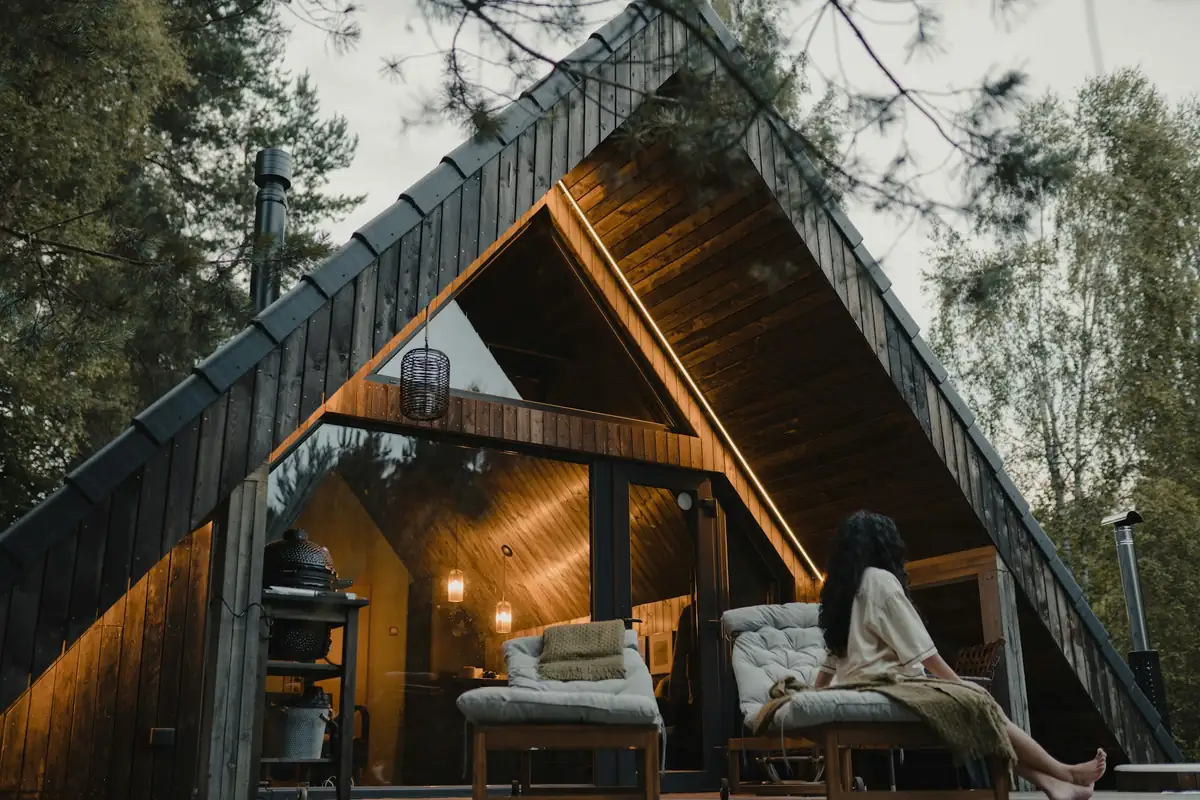
A beautiful cabin, an ocean view or a bush walk can be glorious.
But scenery doesn’t change a relationship.
You can take a luxurious weekend away and come home with better photos, a full belly and exactly the same painful dance.
What makes the difference is structure.
A good retreat gives you plenty of unhurried time as well as guided work.
It helps you identify the cycle you get trapped in, so you can stop arguing about who’s to blame.
Perhaps one of you goes after contact through questions, complaints or rising intensity, while the other shuts down, goes practical or retreats into silence.
The cycle is the enemy, and it’s the same enemy for both of you.
Emotionally Focused Therapy (EFT) is especially useful here because it gets underneath the surface fight.
You stop debating whether sex should happen more often or who does more around the house, and you explore what each moment means.
“You never touch me” may carry the deeper message, “I’m terrified I no longer matter to you.” “I need space” may mean, “I feel like I fail every time we talk, so I disappear before I make it worse.”
When those truths are spoken and received, the mood changes and you both become less defensive. You stop trying to win a case against your partner and start protecting the bond between you.
Emotional repair and erotic renewal belong together
Many couples arrive wanting to fix communication, then mention sex in a lowered voice, as if desire were an embarrassing side issue.
I see it as central.
Erotic intimacy is often one of the first places a relationship shows how safe and alive it feels, and how much tension is going unspoken.
You can’t bring desire back with a plan or a schedule.
You also can’t demand that your partner be spontaneous at 9.15 pm after a day of work, caring for other people and low grade resentment.
Desire needs conditions: emotional safety, play, permission, novelty, clear boundaries and a body that isn’t braced for judgement.
This is why a meaningful couples retreat includes more than talking.
Somatic practices bring your attention back to the body, to your breath, sensation, movement and gaze, and to noticing when you tense, freeze, please or pull away.
In sex, the pressure to get it right eases and you can be present with each other.
There can be humour in this.
Couples who’ve been together for 25 years may know each other’s coffee orders, bad knees and most irritating habits, and still have no idea what kind of touch feels good now.
Bodies change and desire changes, so the relationship needs new information to replace the assumptions you gathered in 2008.
Polarity work can also be valuable if your connection has become relentlessly practical and neutral. Nobody is forcing old gender roles on you or asking you to play a character.
You’re exploring charge, contrast, leadership, surrender, mystery, and the exquisite relief of not having to be the competent one every minute.
For some couples, that begins with one partner simply asking for what they want without apology.
The other learns to receive without fixing.
What you’ll actually be asked to do
A retreat with a lot of personal attention is nothing like group therapy with awkward icebreakers and a trust fall near a gum tree.
You may have private guided conversations, supported exercises, time to reflect alone, body based practices and shared experiences in nature that show how you operate under pressure.
Adventure has a role because our bodies show how we react before we have time to hide it.
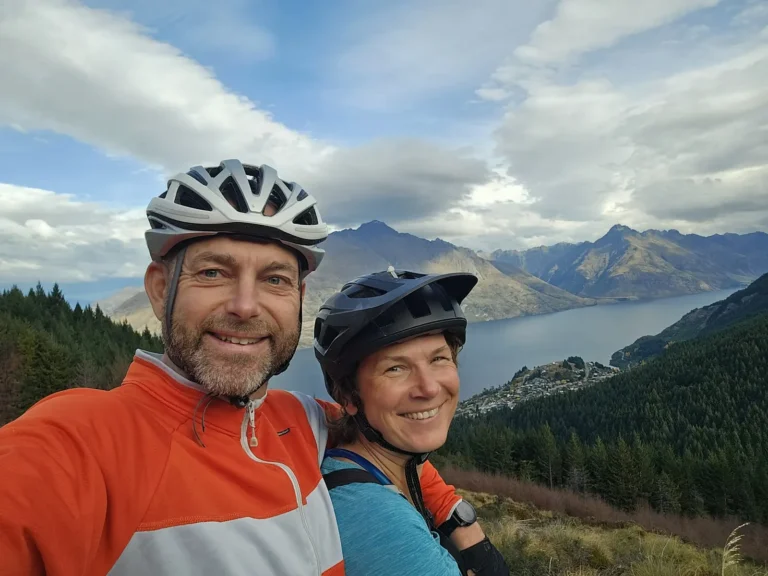
On a challenging walk, a climb or an unfamiliar activity, one of you may take charge while the other feels dismissed. Or one of you gets anxious and the other gets impatient.
With thoughtful facilitation, these moments become something you can learn from, and they stop looking like evidence that you’re doomed to annoy each other forever.
You practise a different response in the moment.
You ask for reassurance before resentment takes over.
You slow down and name your fear, and you let your partner support you without correcting the way they do it.
These are small things, and they make a big difference to your relationship when you get home.
Choose the right retreat for the relationship you have
A retreat won’t suit every couple.
If there’s active coercion, ongoing violence, untreated addiction, or one of you is afraid to speak honestly, a shared retreat may not be the first or safest step.
Individual support and a clear safety plan may be needed before deep work on the relationship can begin.
Likewise, if you’re in the raw early shock of an affair, you may need a more tailored intensive than a broader group experience.
You deserve a retreat.
What you need to work out is how much privacy and professional support will help you most right now.
When you’re choosing, look beyond the accommodation and the testimonials about delicious meals.
- Ask whether the facilitators understand attachment, sexual intimacy and trauma.
- Find out how much individual attention is available.
- Ask how they keep it emotionally safe.
- Ask whether there’s support after the weekend.
A powerful weekend is valuable, but what you do afterwards decides whether the new patterns last or disappear once you’re back in your normal week.
Our next retreat for couples is the Valentine’s Retreat: The New Chapter of Us, on Kawau Island from 12 to 15 February 2027, for six couples who want to be lovers again, not just a good team.

Bring the retreat home without turning it into homework
Coming home is a tender time.
You may feel open, connected and wildly optimistic in the car, and then by Tuesday have a fight over who’s collecting the kids.
That doesn’t mean the retreat failed. It means your old pattern is strong and familiar.
Protect a small amount of space for what you found.
Keep one ritual that reconnects you, such as:
- A weekly check in with no screens
- A walk where logistics are off limits
- Ten minutes of intentional touch without a goal
Name the cycle when it appears.
“We’re back in our chase and withdraw pattern” is far more useful than “Here you go again.”
Most of all, don’t reduce the experience to a relationship project.
Your partnership is alive.
It’s made of memory, tenderness, appetite, loss, laughter and choice, and it deserves better than being one more task on your list.
The deepest love may still be ahead of you, but it will ask you both to stop running on autopilot and pay attention to each other.
Want support with this in your own relationship? Find out about couples therapy with Tarisha, a private retreat for two, or our retreats for couples: the Valentine’s Retreat and The Wanaka Adventure. Or start with a free discovery call.