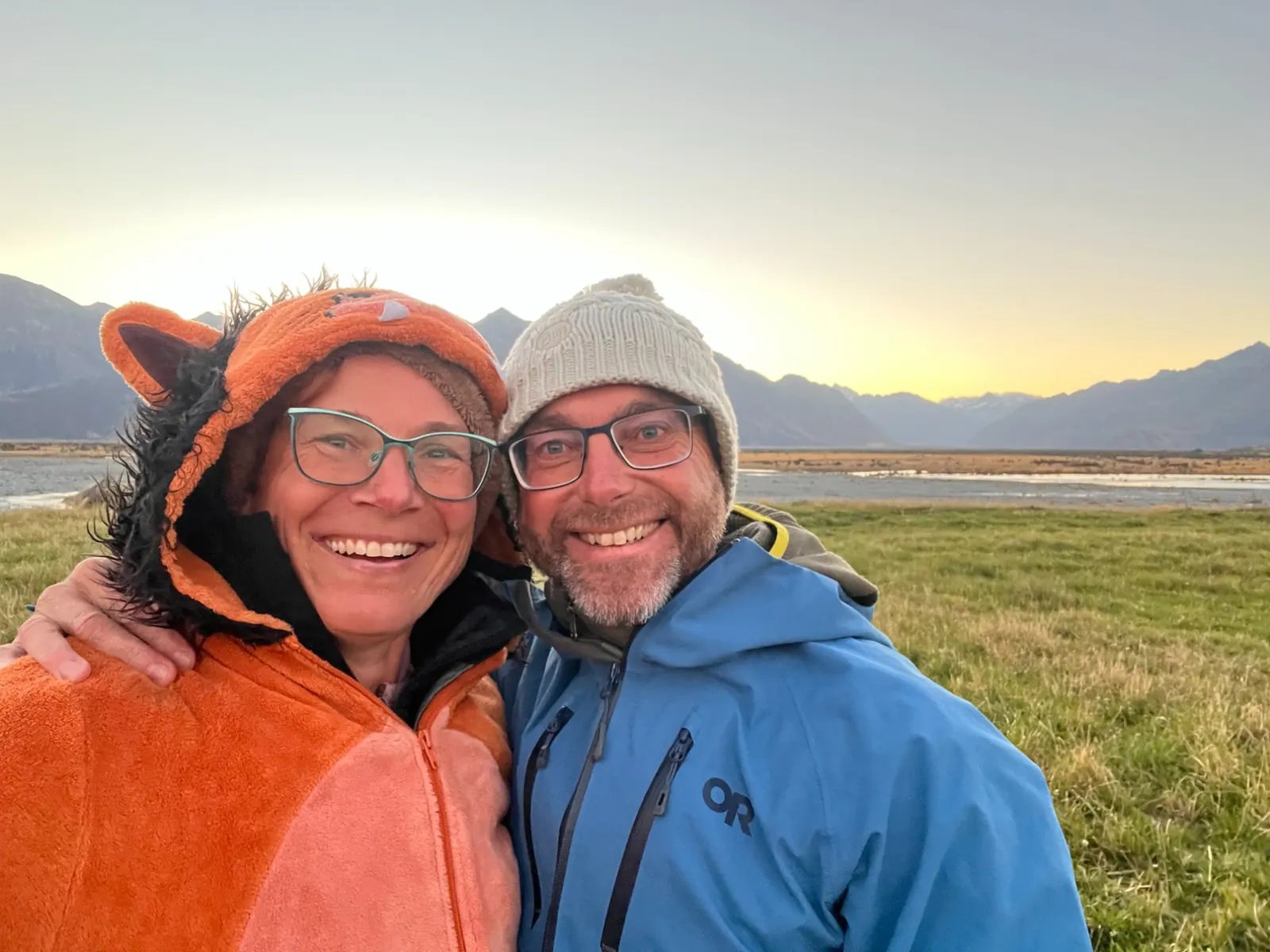
Couples rarely say what they want.
Most couples don’t walk into therapy saying, “We’d like better attachment repair and a more resilient erotic bond, please.”
They say, “We keep having the same fight.” Or, “We feel like housemates.” Or they say the brutal one: “We love each other, but something is gone.” That’s why long term goals for couples therapy are so important.
If the only goal is to stop arguing, you might create a calmer relationship that still feels flat, with little sex and little emotional closeness.
Relief is valuable.
But for many long term couples, the dream is to feel alive together again, and relief alone doesn’t get you there.
Why long term goals for couples therapy need to be bigger than conflict management
A lot of couples arrive after years of coping.
They’ve built careers, raised kids, cared for parents, paid the mortgage, done the school drop offs, packed the boot and emptied the dishwasher.
They’ve become frighteningly efficient at logistics.
Somewhere in that efficiency, the relationship has started to feel more like a business you run together than a love affair.
So yes, therapy should help with communication.
It should reduce reactivity, defensiveness, shutdown and those maddening circular arguments that leave you both feeling unseen.
But if that’s the whole project, something gets missed.
A well managed relationship can still be lonely, with very little sex. It can still lack passion and play, and the feeling that you choose each other.
Long term therapy goals need to ask a bolder question.
We already ask how we can suffer less. I want you to also ask how you can love more.
Right?
The most important long term goals for couples therapy
The strongest goals have nothing to do with getting a perfect score. “Never fight” and “always agree” are fantasy, frankly.
Good couples still clash. They still get tired, weird, prickly and occasionally impossible.
What’s different is that they build a relationship strong enough that they can disagree and still feel connected.
Emotional safety that doesn’t collapse under stress
One of the deepest goals in couples therapy is creating a bond where you both feel emotionally safe enough to be yourselves, without the polish and without a strategy.
That means being able to say, “When you pull away, I panic,” where you used to launch into attack.
It means being able to hear your partner’s pain without instantly moving into self protection.
You can still say hard things when you feel emotionally safe. The difference is that saying them doesn’t turn into a huge fight.
For many couples, this is the turning point.
The argument on the surface is about sex, money, in laws or whose turn it was to pick up the groceries.
Underneath, it’s often the same aching question: can I reach you when I need you?
Repair that happens faster and hurts less
Every couple has ruptures.
You’ll hurt each other at some point, so what’s important is what happens next.
Do you know how to repair?
A meaningful long term goal is shortening the time between a rupture and its repair.
That includes recognising your cycle earlier and taking responsibility sooner. It also means rebuilding trust after conflict, so resentment doesn’t build up over the years.
Repair also changes over time.
Early on, couples want scripts to follow. Later, they learn to sense what each situation needs.
Sometimes repair looks like a direct apology, and sometimes it looks like changing a pattern. Sometimes it means finally naming the grief that has been hiding under ten years of sarcasm.
Desire that you look after on purpose
This is the point where many couples therapy conversations become painfully small.
People talk about sex as if it should either happen naturally forever or be accepted as the price of a busy life.
I don’t buy that, and neither do the couples who come wanting more than polite companionship.
A worthwhile long term goal is rebuilding an erotic relationship that can survive domesticity, familiarity and the sheer weight of adult responsibility. That means understanding what turns each of you on now, emotionally and physically, which may be very different from fifteen years ago.
There’s no need to act out some cartoon version of passion.
Desire changes.
So do bodies, stress, hormones and power dynamics.
Thank God you don’t have to recreate your twenties. The goal is an honest erotic connection that fits the relationship and the bodies you have today.
Honest communication without over processing everything
Some couples fear they don’t talk enough. Others talk every issue to death and wonder why nothing shifts.
Healthy communication is honest and kind, and it doesn’t need endless analysis.
One long term goal is learning how to speak from your vulnerability, and to leave out the criticism, the contempt and the pretending.
Another is knowing when words aren’t enough.
Some conversations need you to slow down, make eye contact, touch, breathe and let your nervous systems settle.
If one of you is flooded and the other is prosecuting a case, you’re just hurting each other more, and nothing meaningful gets said.
A relationship identity that feels chosen
Many couples drift into roles.
One becomes the organiser and one becomes the avoider. One becomes the emotional one and the other becomes the practical one.
After enough years, these roles can feel fixed, and neither of you questions them any more.
Therapy can help you consciously decide who you want to be together. You can be more than “better communicators”. You can be lovers, allies, parents, adventurers and cocreators.
The point is to choose how you are together, so you’re no longer just repeating old habits.
I find this part of the work exciting.
Once you stop treating the relationship like a maintenance project, you can ask richer questions.
- What kind of intimacy do we want now?
- What rituals bring us back to each other?
- What are we done tolerating?
- What would make this relationship feel vivid again?

What gets in the way of lasting change
The biggest barrier is usually drift. Most couples I see still have plenty of love.
Drift looks innocent.
You’re tired, work is full on, and someone’s knee is playing up. The kids need lifts, and you collapse in front of the telly.
Weeks pass, then months.
Then one day you realise you know your partner’s calendar but you don’t know their inner world.
Another barrier is aiming too low.
If your only ambition is to be less annoyed with each other, you may get a truce, but not much more.
And some couples hide behind insight.
They can explain their dynamic beautifully, using all the right therapeutic language, while still sleeping back to back and touching each other like distant cousins at Christmas.
Insight is important, and so is what you feel in your body.
Lasting change often takes more than talking.
It asks for new experiences of closeness in your body, new ways of responding to each other and new ways of expressing erotic energy. It asks for moments where you actually feel each other again.
How couples know therapy is working over the long term
Progress rarely looks dramatic week to week.
It’s often subtler than that, and more powerful.
You notice that the fight that would have ruined the weekend now gets repaired before bedtime. You notice that one of you reaches when you used to withdraw.
You notice more laughter in the kitchen, more honesty in bed and more softness after a hard day.
There’s less scorekeeping and more generosity.
You also notice that conflict becomes more useful. I won’t pretend it becomes fun.
But it shows you something that needs attention, where before it only confirmed the story that the relationship is broken.
And perhaps the most telling sign is that the relationship starts to feel like a place where you both come more alive.
It still isn’t easy, but it’s honest and dynamic, and you’re both looking after it.

The therapy goal most couples don’t name, but deeply want
Underneath all the practical goals sits a fierce longing that rarely gets said out loud: I want to feel chosen by you again.
You want more than to be assumed or managed.
You want more than to be appreciated like a competent colleague who remembers to pay the rego.
You want to feel chosen.
That longing is emotional and erotic at once. It’s the ache to feel wanted and pursued, and to feel respected and met.
We don’t grow out of that longing in a long relationship.
If anything, it gets stronger, because after many years we want something more honest than the fantasy.
Good couples therapy can become far more than problem solving here.
It can become a place where two people stop expecting to be disappointed and start building a bond with more courage, tenderness and heat.
At Couples Therapy & Retreats, that often means working on both the emotional hurt and the lack of desire. I work with the big hurts and the daily routine, and with what you think as well as what you feel in your body.
Long term change happens when you work on the whole relationship. Fixing one narrow issue on its own isn’t enough.
If you’re thinking about therapy, set goals worthy of the relationship you actually want.
Less pain is a good start.
Then ask for more truth, more desire, more repair, and more capacity to meet each other fully.
The deepest love may still be ahead of you, but it won’t arrive by accident.
You have to plan for it.
Want support with this in your own relationship? Find out about couples therapy with Tarisha, a private retreat for two, or our retreats for couples: the Valentine’s Retreat and The Wanaka Adventure. Or start with a free discovery call.