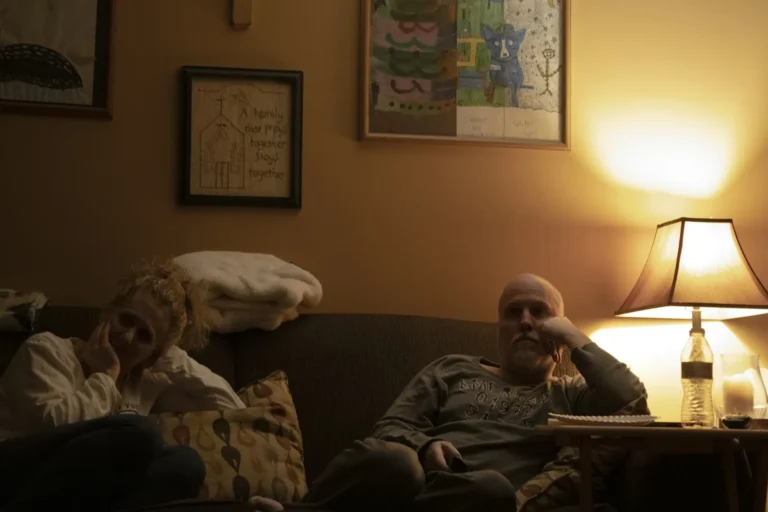
She’d been feeling off for months.
Hot at night, flat during the day, foggy, snappy, not herself.
And sex, which had been fine for twenty years, had become something she dreaded.
He didn’t know what to say. So one night, trying to reassure her, he said the wrong thing. Something about her looking her age, meant kindly, landing like a slap.
She cried. He felt terrible. They went to bed back to back.
Is this happening for you?
This is the menopause conversation so many couples never quite have.
Most of what’s written about menopause speaks only to women. But menopause happens to a relationship too.
Desire and menopause: what changes
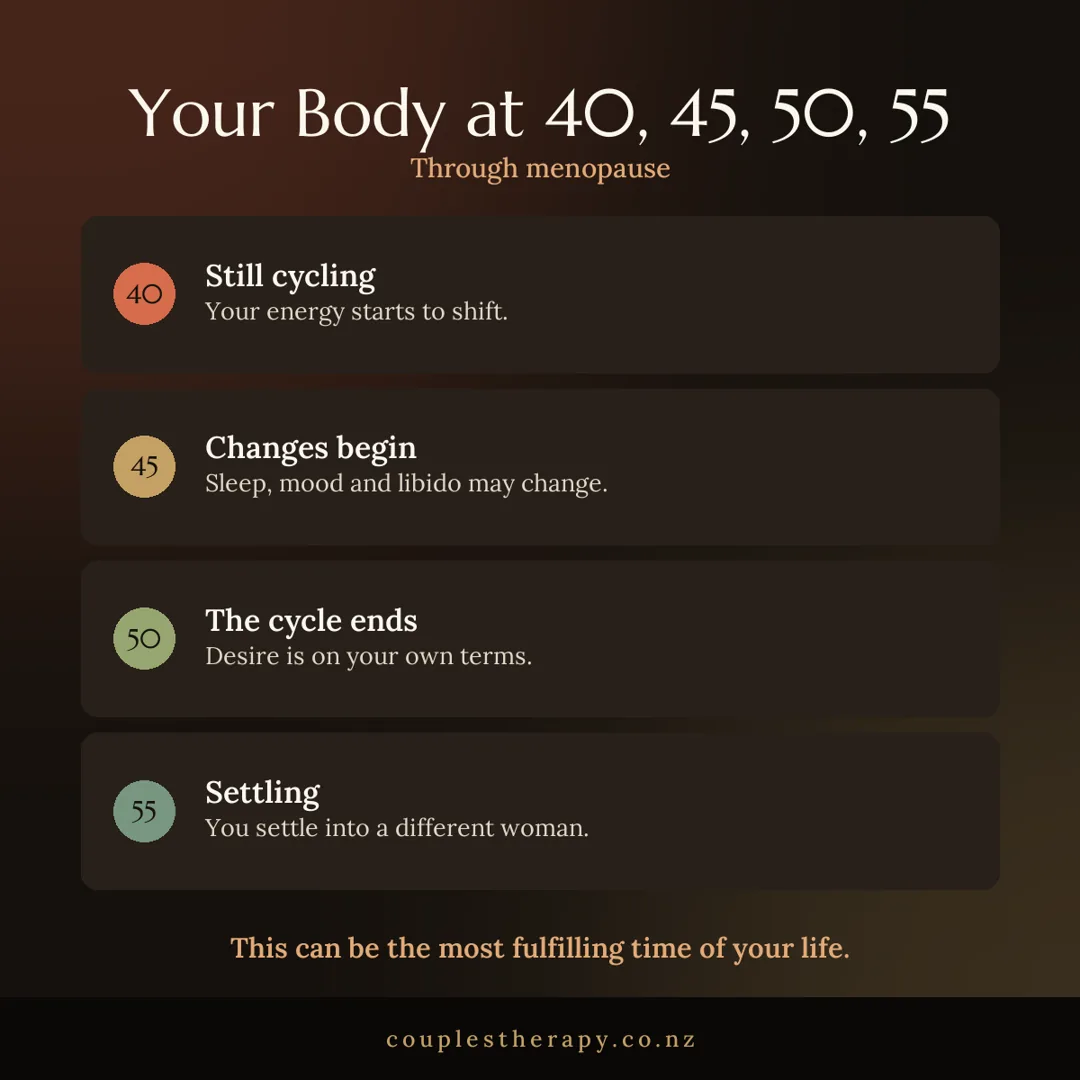
Menopause is the point when periods stop for good, usually around the early fifties. The years leading up to it, perimenopause, can start in your forties and bring the most change.
As oestrogen falls, some things can shift in the body:
- Comfort. Vaginal tissues can become thinner and drier, which can make sex uncomfortable or painful. This is very common and often goes unmentioned.
- Arousal. It can take longer to feel aroused, and sensation can change.
- Sleep and energy. Night sweats and broken sleep leave less energy for anything, including sex.
- Mood. Irritability, anxiety and low mood can turn up. Sometimes for the first time.
- Body image. Weight changes and a body that feels unfamiliar can leave women feeling less desirable.
Testosterone, which plays a part in desire for women as well as men, also declines gradually with age.
What doesn’t change
Here’s what menopause doesn’t take away.
Your capacity for pleasure. Your capacity for intimacy. Your capacity for connection, play and tenderness.
Many women find that after menopause, with no pregnancy worries and fewer children underfoot, they enjoy sex in a new way.
Desire may change shape.
It may become more responsive, needing more warm up, more touch, more presence.
But changed doesn’t mean gone.
It’s not just hormones
This is important.
Hormones play their part, but they’re rarely the whole story.
Menopause often arrives at the same time as teenagers, ageing parents, career pressure and long running relationship patterns.
If you’re exhausted, carrying the mental load and feeling unseen, your desire was probably under strain before the hot flushes started.
Menopause just made it harder to ignore.
So it helps to look at both: the body, and the relationship.
What helps your body
Please talk to your GP or a doctor with a special interest in menopause. Options have improved a great deal, and many women suffer far longer than they need to.
Depending on your health and history, your doctor might talk with you about menopausal hormone therapy, local vaginal oestrogen for dryness and comfort, good quality lubricants and moisturisers, or seeing a pelvic floor physiotherapist.
What’s right for you is a conversation for you and your doctor.
I’m not a doctor, and this isn’t medical advice. Please talk to your GP about anything physical.
The important thing is this: painful sex isn’t something you should simply put up with. If it hurts, your body will put the brakes on desire. Easing the pain often eases the brakes.
What to tell your doctor
Be specific when you talk to your doctor. “My libido is low” is a useful opening.
Then tell them if:
- Sex is painful
- Orgasm has changed
- You’re waking up drenched in sweat
- You feel flat
- You’re taking medication that has shifted your arousal
Medication changes, thyroid issues, depression, anxiety, alcohol use, chronic pain and sleep disruption can also affect your libido, so it’s worth asking about those too.
What helps your relationship
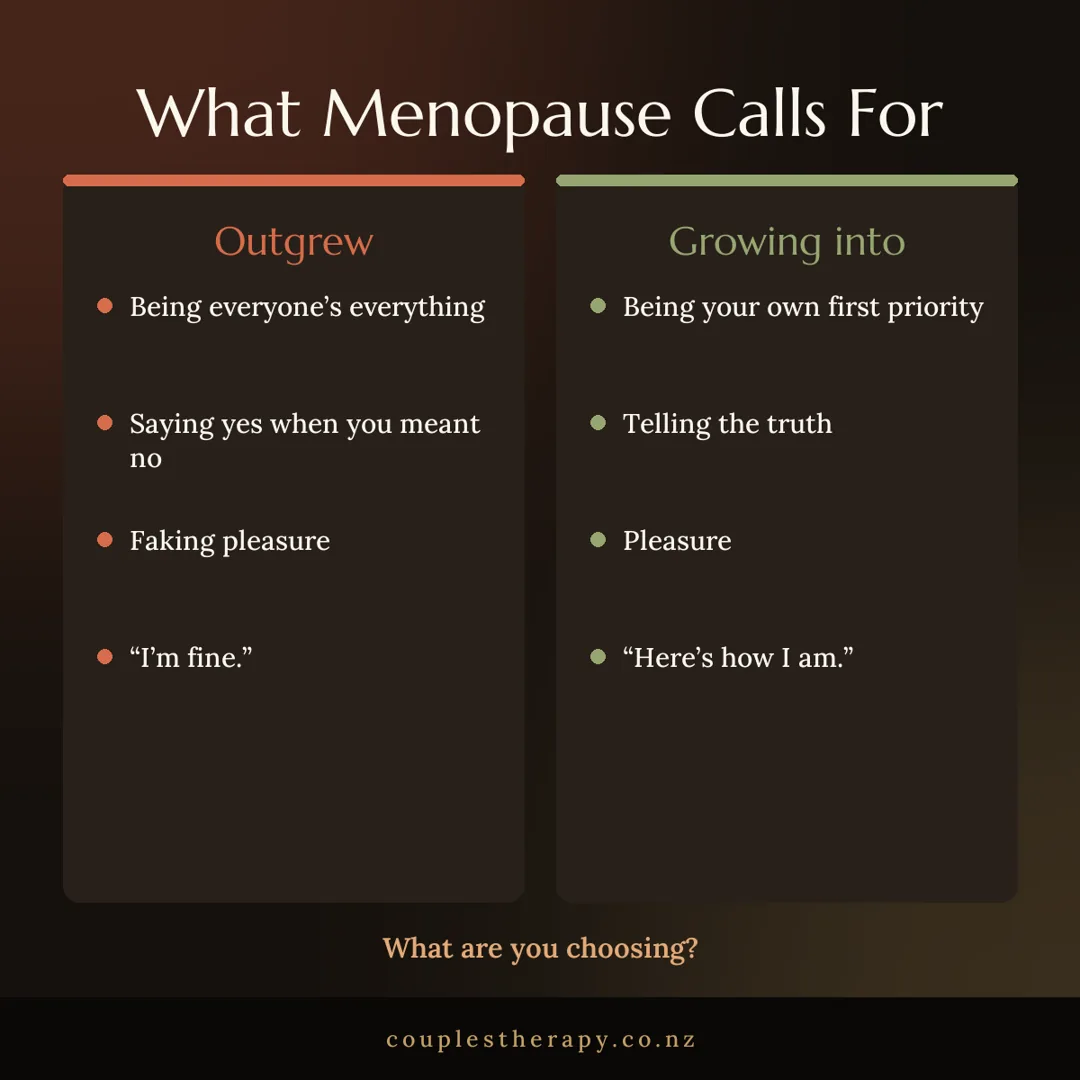
Talk about it as a couple. Menopause shouldn’t be something she goes through alone while her partner tiptoes around her. Name it together. “This is happening to us, and I want us to get through it as a team.”
For partners: listen more than you reassure. When she says she feels old or unattractive, don’t argue with her or rush to fix it.
Try: “That sounds hard. Tell me more.”
Then, at a different moment, tell her what you find beautiful about her now. Not compared to anyone. Just her.
Slow down. Longer warm ups, more touch, less rush towards intercourse.
Widen the menu. Sex doesn’t have to mean penetration every time. Many couples discover new kinds of pleasure when they stop following the old script.
Take the pressure off.
If sex has become loaded, agree on a period of affection without expectation and let desire come back on its own terms.
Share the load. Menopause plus the mental load is a heavy combination. Easing what she carries day to day can do more for desire than any lingerie.
Ask what feels good now
This can feel strangely vulnerable when you’ve shared a bed for decades. You know how your partner takes their coffee, but you may not know what kind of touch they enjoy now.
Do you know?
Try this: ask direct questions.
- “Do you want firmer or softer?”
- “Would you like me to stay here?”
- “What would feel delicious, and not just expected?”
Sex therapy can offer a useful structure here, particularly sensate focus exercises. They take the pressure off and rebuild pleasure through gradual, consensual touch.
A word to the partner
If you’re living with a partner in menopause, you might feel confused, rejected or helpless. That’s understandable.
Try to remember that her pulling away is usually not about you. She may be in discomfort, exhausted, or grieving the body she knew.
Your patience, curiosity and steady affection are more important than you’ll ever know.
And look after yourself, too.
Talk about how you feel, kindly and without blame. You’re both going through this.
What each of you can do
If you’re the partner who wants more sex, stop measuring every interaction by whether it leads to sex.
Can you offer affection without an agenda? Can you hear “not tonight” without feeling ashamed or hitting back? And stop making jokes about body changes, ageing or sexual confidence.
If you’re the partner whose desire has faded, you have a say too.
You don’t have to force yourself into sex you don’t want. You can still stay curious about what’s happening inside you.
Name what hurts.
Ask for the kind of touch you want. Make room for pleasure before you feel desperate for it.
A new chapter
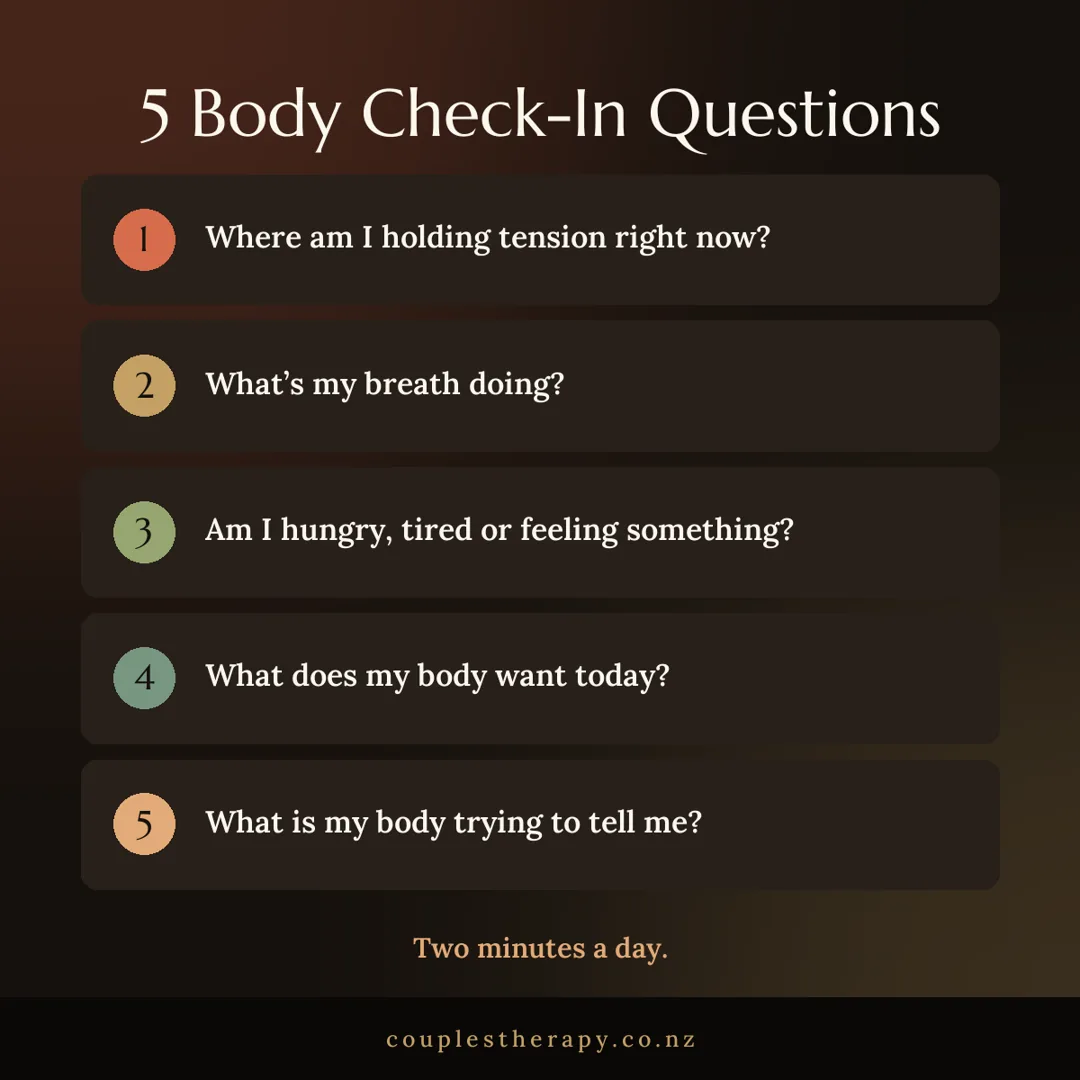
For many couples, menopause becomes a turning point.
A time to stop running on autopilot and get curious about each other again.
To build an erotic life that fits who you are now, not who you were at thirty.
Want to understand what’s happening between the two of you? Come to Reignite Your Love, a 3 hour workshop in Auckland about the emotional and sexual cycle and how to step out of it. Or start with a free discovery call.